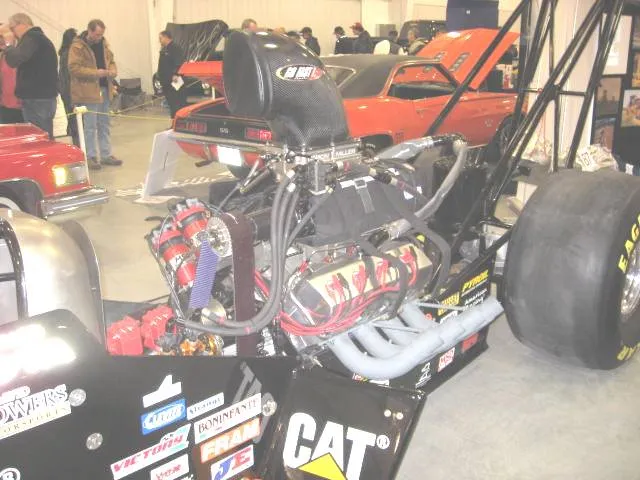
Too Fast for Your Own Good: The Bracket Racing Paradox Killing Competitive Front-Engine Dragster Teams
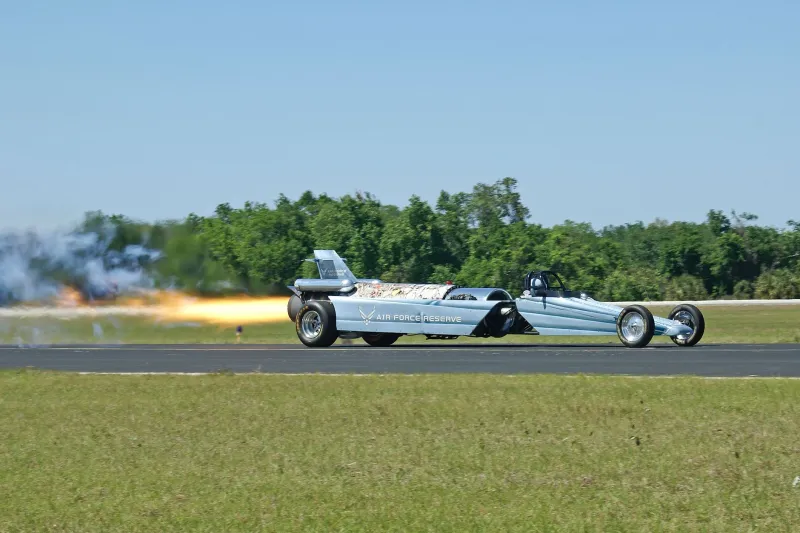
There's a cruel irony baked into bracket racing that nobody warns you about when you're still wrenching in the garage at midnight, chasing that perfect dial-in. You pour everything into making your front-engine dragster faster, more predictable, more consistent — and then the system turns around and kicks you upstairs into a class where your budget looks like lunch money.
Welcome to the bracket racing trap. It's real, it's expensive, and it's quietly breaking up some of the most passionate teams in the sport.
The Consistency Problem Nobody Talks About
Bracket racing rewards one thing above almost everything else: running your dial-in. Not raw speed — consistency. The whole premise is that any car can compete against any other car if the driver can predict what their machine will do on a given run.
So you build your front-engine dragster to be a laser. You tune the fuel curve, nail down your 60-foot numbers, get the chassis working right, and suddenly you're running within a few hundredths of your dial every single pass. That's the goal, right?
Except here's where it gets complicated. Once you're consistently running fast enough times, track officials and sanctioning bodies start looking at your index. Depending on the series and the ruleset, that kind of performance can push you right out of the class you've been competing in — the one where you know the competition, understand the conditions, and have a legitimate shot at a trophy.
The car didn't get worse. The driver didn't get lazier. You just got too good for your own zip code.
The Arms Race Nobody Budgeted For
Talk to teams who've been racing front-engine dragsters for more than a few seasons and you'll hear some version of the same story. They started in a lower-dollar class, built the car up over time, started winning — and then found themselves staring down competition running equipment that costs three or four times what they've got invested.
Take a guy like Marcus Tully out of central Ohio, who spent three years building a steel-chassis front-engine dragster on a modest budget and started cleaning up at his local track's bracket nights. By year four, his dial-in had crept into territory where he was rubbing elbows with purpose-built race cars carrying full aluminum bodies, professional-level suspension packages, and data logging setups that cost more than his entire build. His car was good. Their cars were engineered.
He had two choices: spend money he didn't have to stay competitive, or go back to running a class where his car was genuinely too quick and too consistent to race fairly. Neither option felt like winning.
That's the trap. And it catches more teams than most people in the paddock will admit out loud.
The Psychological Toll Is Real
Let's not gloss over the mental side of this. Drag racing — especially the front-engine world, where so much of the identity is tied up in building and running your own machine — is deeply personal. When you get pushed out of a class, it doesn't always feel like a promotion. It can feel like rejection.
Drivers who spent years becoming the person to beat in their bracket suddenly find themselves running mid-pack in a higher class, getting out-reacted at the tree, watching their hard-earned consistency get neutralized by opponents with better equipment and bigger support crews. The confidence that took years to build can take a serious hit in just a few weekends.
Some teams handle it by doubling down — selling off parts, picking up extra work, reinvesting every dollar into staying relevant. Others quietly step back from competitive racing and start treating the car as a hobby piece. Neither outcome is inherently wrong, but both represent a breaking point that could have been managed better with some advance planning.
Knowing When the Move Is Right vs. When It's Forced
There's a big difference between choosing to move up and being shoved there by circumstance. The teams that navigate this transition well are usually the ones who saw it coming and made a deliberate decision rather than reacting after the fact.
A few honest questions worth asking yourself before the choice gets made for you:
Is your car actually outgrowing the class, or is it just having a good season? One hot stretch doesn't mean you need to re-evaluate everything. But if you're consistently running near the top of your index and your margin for error is basically gone, that's a different conversation.
What does moving up actually cost? Not just the entry fees — the whole picture. What equipment upgrades are realistically necessary to be competitive? What's the travel situation if regional events replace local ones? Run those numbers before you commit.
Do you have a support structure that scales? Moving into a higher class often means more pressure, more required maintenance, and less margin for a bad setup call. Do you have the crew, the knowledge base, and the time to support that step?
What's the goal? This one sounds simple but it's the most important. If the goal is trophies, you need to be brutally honest about whether you can compete at the next level. If the goal is the experience of running a front-engine dragster at the highest level you can reach, that's a completely different calculus.
Making the Move Without Making a Mess of Your Finances
If you do decide to step up — or if the decision gets made for you — there are smarter and dumber ways to manage the transition.
First, resist the urge to blow your whole budget on a single big upgrade. Teams that try to bridge the gap in one off-season by buying a new engine package or a full suspension overhaul often end up with one fast component surrounded by parts that can't keep up with it. Incremental, targeted upgrades tend to hold together better and teach you more about what your car actually needs.
Second, find someone who's already running in the class you're moving into and ask hard questions. Not about their setup secrets — about the reality of competing at that level. What does a full season actually cost? What breaks? What would they do differently if they were starting over?
Third, give yourself a defined evaluation window. Commit to a certain number of events in the new class before you decide whether it's working. Don't pull the plug after two bad weekends, but also don't keep throwing money at something that clearly isn't clicking after a full season.
The Front-Engine Community Has Seen This Before
The front-engine dragster world is a tight-knit one. The people who build and run these cars tend to be deeply invested — not just financially, but emotionally. That's what makes the bracket racing trap hit so hard when it does.
But that same community is also full of people who've been through it and come out the other side with better cars, better knowledge, and a clearer sense of what they're actually chasing at the strip. The trap isn't a dead end. It's a decision point.
The teams that come out ahead are the ones who recognize it for what it is — a sign that the build is working — and figure out how to respond on their own terms rather than the rulebook's.
You built that car upfront. You ran it hard. Now make sure the next move is yours to make.