Climbing the Ladder: What It Actually Takes to Move From Weekend Bracket Racing to Competitive Front-Engine Dragster Classes

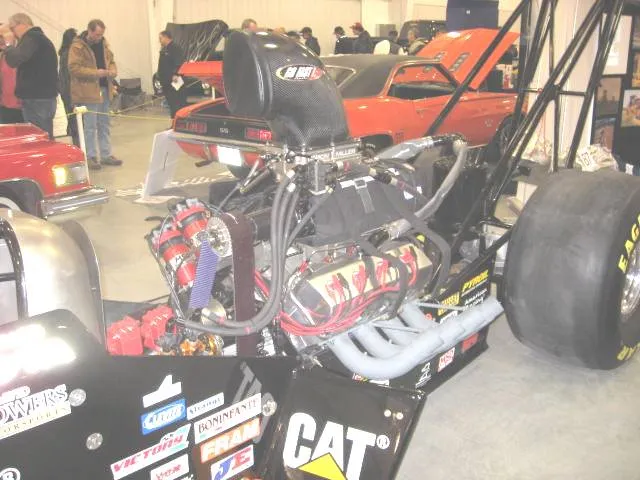
Photo: Samantha2810, CC BY-SA 4.0, via Wikimedia Commons
There's a moment that happens to almost every front-engine dragster driver eventually. You've been running brackets at your home track for a season or two, you're consistently cutting decent lights, you know your car, and you start looking at the quicker classes with a different kind of hunger. Not just curiosity — something more like inevitability.
That feeling is good. It means you're ready to think about the next step. But thinking about it and actually doing it are two very different things, and the gap between them is wider than most drivers anticipate. The drivers who make the jump successfully aren't necessarily the most talented. They're the most prepared.
Start Where You Are — But Pay Attention
Bracket racing gets a bad reputation in some corners of the drag racing community as the "easy" division, the place where beginners park their cars before they figure out what they really want to do. That's a shortsighted take. Bracket racing is where you build the foundational skills that every competitive class demands: reaction time discipline, dial-in accuracy, consistent staging habits, and the ability to manage a race under pressure.
If you're currently running brackets and you want to move up, the most important thing you can do right now is treat every single pass like it matters. Log your data. Track your reaction times. Note weather conditions. Pay attention to how your car behaves when the temperature drops twenty degrees between rounds. This is the information that separates drivers who can eventually compete at higher levels from those who stay comfortable and stagnant.
Jamie Tolliver, who now runs a front-engine dragster competitively in the Southeast, spent three full seasons in bracket racing before moving up. "People thought I was taking too long," she said. "But I was building a database in my head. I knew exactly what my car wanted in every condition. When I moved to a real class, I wasn't starting from zero."
Getting Your NHRA Competition License
At some point in the progression, the licensing conversation becomes unavoidable. If you're running at a local track in a bracket class, you may have been getting by on a standard competition license. But as you move toward quicker elapsed times and higher-performance classes, the NHRA's licensing structure becomes something you need to understand, not just comply with.
For most front-engine dragster drivers targeting the 10-second and quicker territory, you'll be working through the NHRA's competition license process, which involves a medical evaluation, a review of your driving history, and — critically — a series of observed licensing runs. These aren't just bureaucratic hoops. They're an opportunity to demonstrate that you can drive a fast car consistently and safely under the eyes of experienced officials.
Start that process early. Don't wait until you've already built a car capable of running 9s to figure out what paperwork you need. The NHRA's website lays out the requirements clearly, and most division offices are genuinely helpful if you reach out directly with questions.
Equipment: When to Upgrade and What to Prioritize
Here's where a lot of drivers get themselves into trouble. They see a driver running a quicker class and assume the equipment is the difference. So they spend money — sometimes a lot of money — on hardware before they've developed the skill to use it effectively.
The equipment upgrade conversation should be driven by the class rules you're targeting, not by what looks impressive in the staging lanes. Figure out exactly what your target class requires, then work backward. What does the chassis need? What safety equipment is mandatory? What engine combination is competitive without being financially ruinous?
Safety gear is non-negotiable and should be the first investment. A proper NHRA-rated helmet, a fire suit that meets the class requirements, a neck collar or HANS device — these aren't optional upgrades. They're the price of admission to faster racing, and cutting corners here is genuinely dangerous.
Robert Ching, who campaigns a front-engine dragster in the Midwest, made the mistake of upgrading his engine package before addressing his safety equipment and chassis certification. "I built a car that was faster than what I was legally able to run," he admitted. "I sat on a fast car for almost a full season while I caught the safety stuff up. That was an expensive lesson in priorities."
Seat Time Is Not Optional
You cannot think your way into being a better driver. You have to drive. This sounds obvious, but it's genuinely the most common trap that holds talented bracket racers back from moving up. They optimize everything around the car and neglect the one variable that matters most: their own hours behind the wheel.
If your home track offers test-and-tune sessions, you should be there as often as your schedule and budget allow. If there are driving schools or clinics available in your region — and several NHRA divisions run them periodically — sign up. If you have the opportunity to crew for a faster driver and watch how they manage a car at higher speeds, take it.
The mental processing speed required to drive a front-engine dragster at 9-second elapsed times is meaningfully different from what a 12-second bracket car demands. Your inputs have to be faster, your pre-run preparation has to be sharper, and your ability to stay calm when something feels slightly off has to be deeply practiced. That only comes from seat time.
The Pitfall Nobody Talks About: The Middle Stage
There's a phase in almost every driver's progression that Jamie Tolliver calls "the middle." You're no longer a beginner — you know the basics, you've got some results — but you're not yet running with the serious competitors in a higher class. This stage is psychologically tricky because it's easy to mistake comfort for competence.
Drivers who get stuck in the middle often stop pushing themselves because they're winning at their current level. Winning feels good. It's supposed to. But if the goal is to move up, winning in a class you've outgrown is actually a trap. The challenge isn't there, the learning curve has flattened, and you're not building the skills you'll need when the competition gets tougher.
The drivers who navigate this phase well set external goals — a target class, a specific elapsed time, a licensing milestone — and hold themselves accountable to those goals even when the comfortable option is to keep cashing bracket checks.
The Long View
Moving from casual bracket racing to competitive front-engine dragster classes is absolutely achievable. Drivers do it every season across every NHRA division in the country. But it takes a deliberate approach: building skills systematically, addressing licensing and safety requirements early, upgrading equipment in the right order, and accumulating real seat time rather than just showing up.
The front-engine dragster is one of the most demanding and rewarding platforms in all of drag racing. The drivers who respect that — who treat the progression as a craft to be developed rather than a shortcut to find — are the ones who eventually run at the front of the pack and stay there.