Steel, Sweat, and Strip Prep: Turning Your Classic Muscle Car Into a Legit Front-Engine Dragster
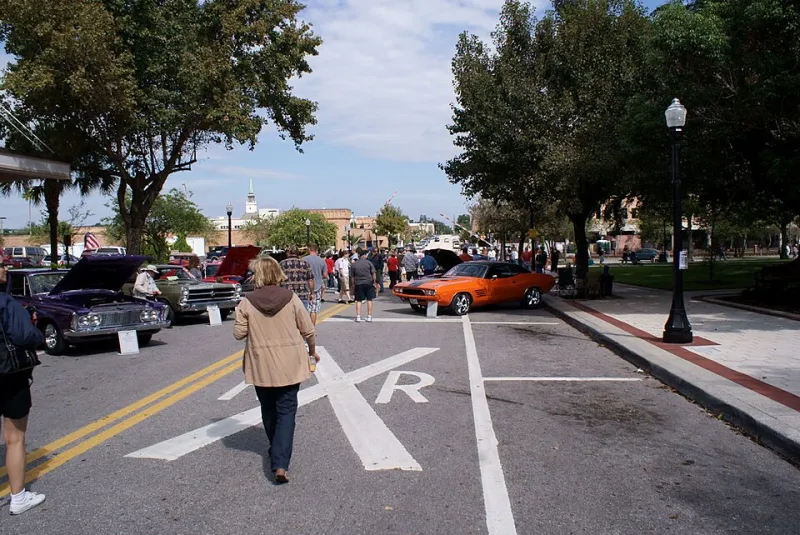
Photo: Valder137, CC BY 2.0, via Wikimedia Commons
There's something almost poetic about taking a car that once ruled the streets of Detroit or cruised the California coast and pointing its nose down a quarter-mile strip. For a growing number of enthusiasts, that dream isn't just nostalgia — it's a full-blown weekend project with a rulebook attached.
Converting a classic muscle car into a front-engine dragster isn't a weekend bolt-on job. It's a methodical, sometimes maddening process that touches everything from chassis certification to DOT paperwork. But when you nail the launch and that elapsed time blinks back at you from the scoreboard, every hour in the shop makes sense.
Let's dig into what it actually takes.
Know Before You Wrench: DOT and NHRA Ground Rules
Before you pull a single bolt, get familiar with the regulatory landscape. If your car is going to run at any sanctioned event — NHRA, IHRA, or a regional bracket series — it needs to meet specific safety certifications that go well beyond what any street-legal title requires.
The NHRA's rulebook is your bible here. Depending on your elapsed time and vehicle class, you'll be looking at requirements that include roll cage specifications, SFI-rated safety equipment, fuel system compliance, and fire suppression systems. Cars running in the 11-second range have a very different checklist than those pushing into the 8s or quicker.
One thing a lot of first-timers overlook: your car's existing VIN and title don't automatically transfer into a race-legal identity. Some states require a separate off-highway or racing designation once major chassis modifications are made. Check with your state DMV and the track's tech officials before you start cutting metal.
The Chassis Question: Modify or Build Fresh?
This is where the build philosophy really splits people. Some builders insist on preserving as much of the original unibody or frame as possible, working within it to add roll protection and safety systems. Others strip everything down to the firewall and essentially construct a purpose-built dragster chassis that wears the classic body as a shell.
Mike Talbert, a fabricator out of Tulsa, Oklahoma who's built more than a dozen front-engine dragsters from vintage GM platforms, puts it plainly: "The body is the identity, but the chassis is the safety net. I'll fight to keep the original sheetmetal, but I won't compromise the cage geometry to do it. The car has to protect the driver first."
For most builds, the approach lands somewhere in the middle. The stock frame gets reinforced or replaced with chrome-moly tubing, the suspension geometry gets reworked for consistent weight transfer on the launch, and a full roll cage gets welded in to meet SFI 25.1 or higher certification depending on target elapsed times.
Powertrain: Matching the Motor to the Mission
Classic muscle cars came with some legendary powerplants — big-block Chevys, 440 Mopars, Ford 429s. Many builders choose to keep the engine family consistent with the car's heritage, which adds a great story to the build. But the internals? Those almost always get a serious rework.
A street engine is built for longevity and emissions compliance. A drag racing engine is built for one thing: maximum power delivery in a very short, very violent burst. That means forged internals, aggressive camshaft profiles, purpose-built carburetion or fuel injection, and a properly matched ignition system.
Don't overlook the transmission and rearend. A Turbo 400 or Powerglide with a manual valve body is a popular choice for bracket racing applications. The rearend needs to handle the torque spike of a hard launch — most serious builds run a narrowed housing with heavy-duty axles and a spool or locker in place of a standard differential.
A Real-World Case Study: The '69 Camaro Build
Jason Ferrell of Knoxville, Tennessee spent three years converting a rust-free 1969 Camaro into a bracket-legal front-engine dragster. He started with a numbers-matching 396 car, which immediately created a philosophical dilemma.
"I knew I wasn't going to cut up a numbers car," Jason says. "So I sourced a clone body that had already been modified and used the numbers car as my reference point for the build aesthetic."
The result is a Camaro that looks period-correct from twenty feet away but runs a purpose-built 496 big-block on pump gas with a Powerglide and a full chromoly cage. It runs consistent 10.40s at the local NHRA-affiliated track in Bristol and has passed tech inspection every time.
Jason's biggest lesson? "Start with the cage certification requirements for the ET you're targeting, then build everything else around that. I see guys build the whole car and then find out the cage doesn't meet the spec. That's a teardown situation."
Safety Gear: Don't Cut Corners Here
Once the car is built, the driver needs to be equipped properly. SFI-rated fire suits, helmets, gloves, and shoes are not optional at sanctioned events. A HANS device is required at many tracks once you're in a certain elapsed time window. A window net or arm restraints depending on your body style round out the cockpit safety package.
Budget this into your build from the start. Quality safety gear isn't cheap, but it's the last line of protection between you and a bad day at the track.
Getting Your Tech Card Punched
Once the build is complete, schedule a pre-event tech inspection if your track offers one. Most NHRA-affiliated facilities have tech officials available during test-and-tune sessions who can walk through your build and flag any issues before race day.
Bring your build documentation — welder certifications for the cage, receipts for SFI-rated components, and any chassis certification paperwork. The more organized you are, the smoother the process goes.
The Payoff
There's no shortcut through this process, and honestly, that's part of what makes it worth doing. A properly converted front-engine dragster built from a classic muscle car represents the best of what this hobby is about — mechanical craftsmanship, safety discipline, and a deep respect for the machines that built American motorsport culture.
Built upfront, run hard, and when you finally dial in that launch and back up your ET run after run, you'll know every hour in the shop was worth it.