Fuel Delivery Faceoff: Why Old-School Carb Guys Are Watching EFI Setups Eat Their Lunch at the Strip

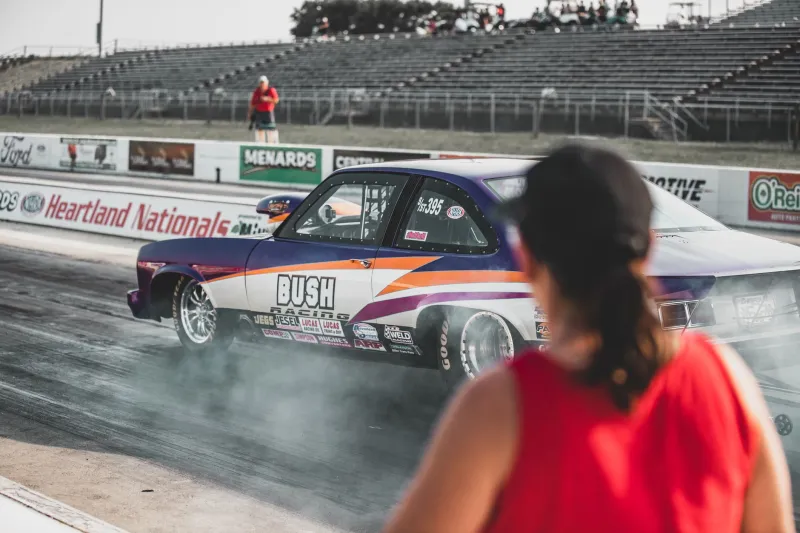
Photo by Photo by Dragon White Munthe on Unsplash on Unsplash
There's a conversation happening in pit lanes and shop bays all across the country, and it's getting louder every season. On one side, you've got experienced front-engine dragster tuners who've spent years dialing in carburetors with a screwdriver, a vacuum gauge, and a gut feeling built from thousands of passes. On the other, you've got a younger wave of racers — and more than a few veterans — who've made the jump to electronic fuel injection and are posting numbers that are tough to argue with.
This isn't a new debate. But right now, in 2024, the gap between the two camps is wider than it's ever been. And if you're still running carbs because that's just how it's always been done, it might be time to at least hear the other side out.
The Case for Sticking With Carbs
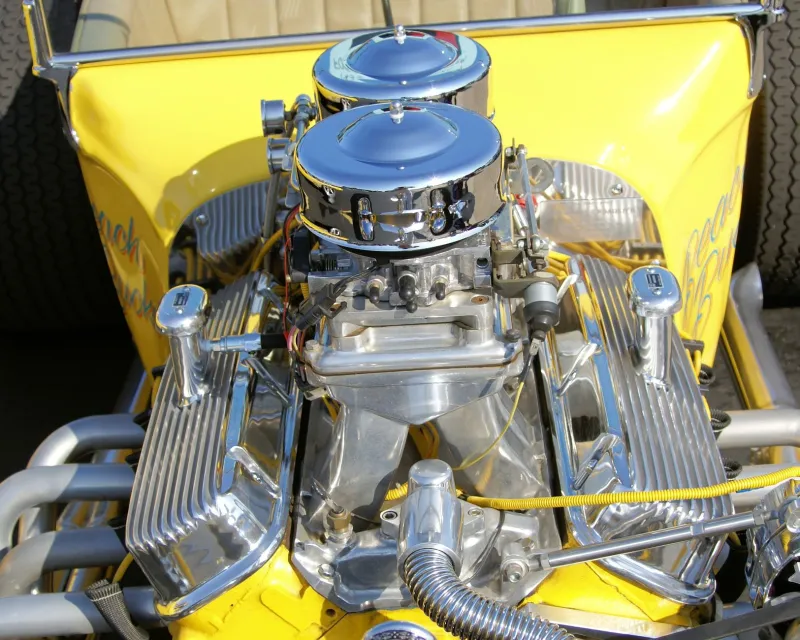
Let's be honest: the carburetor didn't survive this long in drag racing because it's a bad piece of equipment. It survived because it works. A properly set-up four-barrel Holley or Demon carb on a big-block front-engine dragster can deliver incredibly consistent fuel delivery when conditions are dialed in and the tuner knows what they're doing.
Carbs are simple to understand, relatively cheap to rebuild, and — critically — they don't need a laptop to diagnose. If something goes wrong at a regional event in the middle of nowhere, you can fix a carb with parts from your spares bin and get back to staging. That kind of field serviceability matters in grassroots drag racing more than most people in the EFI world want to admit.
There's also a muscle memory element to carb tuning that experienced racers genuinely value. When you've been turning jets and adjusting floats for twenty years, you develop an intuition that's hard to quantify. You can smell a rich condition, feel a lean stumble, and read a set of plugs like a book. That knowledge is real and it's earned.
Where EFI Starts Pulling Away
Here's where things get uncomfortable for the carb faithful: EFI doesn't care about your intuition. It cares about oxygen sensors, manifold pressure, coolant temp, and throttle position — and it adjusts fuel delivery in real time based on all of it simultaneously. No human tuner, no matter how experienced, can process that much data that fast.
Under extreme launch conditions — the kind that front-engine dragsters live in — that adaptive capability becomes a serious performance advantage. When the tires hook hard off the line and the engine load spikes instantly, an EFI system can compensate in milliseconds. A carb just delivers whatever it's jetted to deliver, and if the conditions have shifted from when you last tuned it, you're leaving time on the table.
Track temperature changes throughout the day. Humidity shifts between rounds. Air density at an early morning qualifying pass is different from what you'll see in a late afternoon final. EFI systems — especially those running closed-loop wideband feedback — adapt to those variables automatically. Carbs need a tuner to chase those changes manually, and that's a time and consistency cost that compounds across an entire race day.
Real Numbers From Real Conversions
We talked to a handful of teams who've made the switch in the past two seasons, and the results were consistent enough to be worth noting.
One Midwest-based front-engine dragster team running a 565-cubic-inch big-block made the jump to a Holley Dominator EFI system after struggling with inconsistent 60-foot times across different events. Their average ET variability dropped from around 0.04 seconds run-to-run down to roughly 0.015 seconds after the conversion and a full season of data logging. That's not a dramatic single-pass improvement — it's a consistency improvement, which is what actually wins bracket races and qualifies you deeper in competition fields.
Another team out of the Southeast converted a tunnel-ram carb setup to a dual-throttle-body EFI configuration and picked up nearly a tenth of a second in their best ET while also reducing their tune-up time between rounds significantly. Their tuner noted that having actual data logs to review after each pass — rather than relying on memory and feel — changed how they approached tuning decisions entirely.
Neither of these teams is running nitro or exotic fuel. These are alcohol and gasoline combinations where the margin for improvement looked thin on paper. The gains came from consistency and data-driven decision making, not from some magic in the injectors themselves.
Why Some Teams Still Won't Make the Switch
Cost is the obvious barrier. A quality EFI system with proper sensors, wiring harness, and tuning software represents a meaningful investment — often $2,500 to $5,000 or more by the time everything is properly installed. For a weekend racer on a tight budget, that's a hard sell when the carb is running fine.
There's also a learning curve that shouldn't be understated. EFI gives you more data than you've ever had, but data without the knowledge to interpret it can actually make things worse. Teams that make the switch without investing in understanding what the system is telling them sometimes end up more confused than they were with a carb. The technology is only as good as the person reading the screen.
And frankly, some of the resistance is cultural. Front-engine dragsters have a deep connection to the mechanical era of drag racing. The look, the sound, the feel of a big carbureted engine at full noise is part of what makes this class special to the people who love it. Swapping that for a fuel map and a CAN bus doesn't sit right with everyone, and that's a legitimate perspective even if it costs a few hundredths.
Finding the Middle Ground
The smart play for a lot of teams might not be a full conversion right away. Running a wideband O2 sensor and a data logger on your existing carb setup can give you a significant amount of the information advantage that EFI provides, without the full cost or complexity of a system swap. Understanding where your current setup is rich or lean across the RPM range, and how that changes with track conditions, is valuable regardless of what's delivering the fuel.
From there, the data you collect makes a future EFI conversion easier and more targeted. You'll know what you're trying to fix before you spend the money to fix it.
The Bottom Line
Carburetors aren't dead. They're still a viable, serviceable, and proven fuel delivery solution for front-engine dragsters at every level of competition. But the honest truth is that EFI systems are delivering real, measurable performance advantages in consistency and adaptability that carbs structurally can't match.
If you're racing to win — not just to participate — that gap deserves your attention. The computer algorithms aren't smarter than you. They're just faster. And at the strip, faster is the whole point.